Every sales leader is trying to solve the same tension: Do you want your reps to generate more pipeline, or convert more of the pipeline they already have?
When reps prioritize volume, quality slips. Conversations are rushed, outreach is generic, and deals are harder to close. When they prioritize quality, conversion improves, but the pipeline narrows and coverage drops.
In other words:
- More pipeline typically means lower conversion
- Higher conversion typically means less pipeline
For as long as modern sales teams have existed, this has been the tradeoff. Not because teams don’t understand what drives results, but because time has always been the limiting factor.
The Constraint Behind the Tradeoff
Great selling requires time: time to research accounts, understand stakeholders, prepare for conversations, and tailor outreach. These are the activities that move deals forward and drive win rates up.
But this is only part of what fills a rep’s day. They’re also:
- Manually updating CRM data
- Chasing follow-ups with prospects
- Navigating deal desk and contracting
- Joining internal meetings
- Completing sales enablement trainings
The work that doesn’t close deals is crowding out the work that does.
Why More Tools Didn’t Solve It
Sales teams have invested heavily in tools to try to improve both sides of this equation.
But in many cases, those tools have made the problem worse.
Data is fragmented across systems. Reps have to switch between tools, manually enter information, and stitch together context just to move a deal forward.
Instead of freeing up time, the modern sales stack often consumes more of it.
A New Model: Agentic Workflows
AI alone doesn’t resolve the tradeoff. An LLM can summarize a call, draft an email, or surface an insight, but it can’t update Salesforce, trigger an approval, or move a deal forward on its own. Without connection to business context and the ability to take action, AI saves time at the margins without changing the underlying economics of how reps work.
What actually shifts the equation is AI applied within workflows, connected to your systems, grounded in deal context, and capable of taking action. That’s what agentic workflows do. Rather than handing a rep better information and asking them to do something with it, these workflows close the loop: research is gathered, decisions are triggered, and follow-through happens automatically, within the flow of each deal.
The result isn’t a faster version of the same process. It’s a different process entirely.
Instead of requiring reps to gather information, interpret it, and act across multiple tools, these workflows handle that work continuously, in the background, in the context of each deal, removing the manual effort that has historically forced tradeoffs.
When Pipeline and Conversion Improve Together
With the right workflows in place, the work that drives conversion no longer competes with a rep’s time.
- Account research is automatically assembled before a call
- Relevant insights surface during conversations
- Follow-ups are auto-generated immediately after
- CRM data stays up to date without manual input
- Pricing and approvals move forward without friction
Reps no longer have to choose between working more deals and working deals well. Every opportunity benefits from the same level of context, preparation, and execution.
Sales teams can now:
- Increase pipeline without lowering quality
- Improve conversion without slowing down
- Scale personalized selling without adding manual effort
- Execute faster without cutting corners
The tradeoff was never about people; it was about process.
A New Standard for Sales Performance
This shift changes what teams should expect from their systems and their reps.
The behaviors that once defined top performers—deep preparation, strong discovery, precise execution—no longer depend on how much time, tenure, or skill a rep has.
That means:
- More consistent performance across the team
- Faster ramp for new hires
- Less time spent on admin and research
- More time spent selling
- More complete, reliable data
The ceiling on rep performance is no longer time, it’s strategy.
How This Looks in Practice at Workato
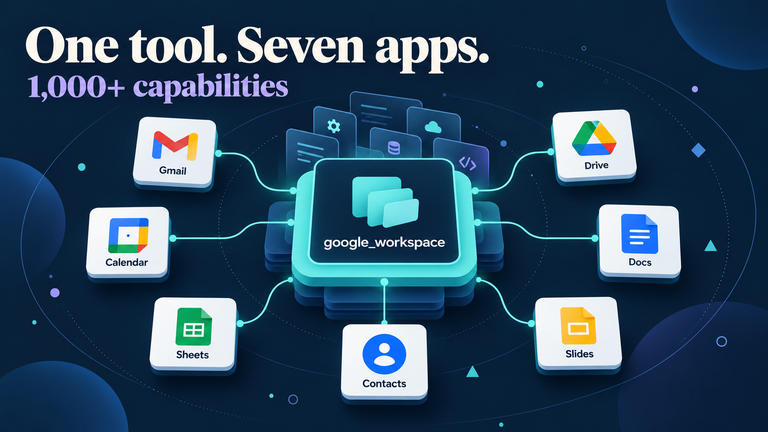
At Workato, we’ve implemented agents across our global sales organization, connecting systems like Gong, Salesforce, Snowflake, Gmail, and Google Calendar directly into the selling process.
The results:
- +27% increase in bookings per rep
- +11% more reps hitting quota
- +$1M in revenue impact per quarter
Tasks like account research, call preparation, proposal generation, and deal management now happen within the flow of each opportunity, not as separate steps.
But the numbers only tell part of the story. Here’s what else has shifted across our sales org:
- Happier reps: Our reps now spend less time on call summaries, competitive research, and CRM updates, and more time actually selling
- Better qualification: Automated CRM updates mean cleaner data and fewer deals slipping through the cracks
- Shorter sales cycles: Real-time deal insights reduce friction between stages and keep momentum from stalling
- Stronger coaching: Managers spend less time prepping for 1:1s and QBRs, and more time delivering insights that actually impact rep performance
Curious what this looks like in practice? Check out a day in the life of Workato sales rep Cate Waters — and see how working smarter, not harder, created immediate impact for even an experienced seller like her.